
Exploring Industrial Pump Applications and Their Impact on Efficiency
Table of Contents
- 1 Key Takeaways
- 2 Overview of Industrial Pump Applications
- 3 Types of Industrial Pumps
- 4 Key Features of Industrial Pumps
- 5 Applications of Industrial Pumps
- 6 Selecting the Right Industrial Pump
- 7 Insights from Industrial Pump Experts
- 8 Maintenance and Troubleshooting of Industrial Pumps
- 9 Conclusion
- 10 FAQS
- 10.1 What is the pump definition in relation to industrial pump FAQs and how do pumps transport fluids in various applications?
- 10.2 How do different types of pumps move fluids in various industrial pump applications, and why do dynamic pumps sometimes struggle in this process?
- 10.3 In what scenarios do industrial pump applications demonstrate challenges where dynamic pumps struggle to effectively transport fluids?
- 10.4 How do the various types of pumps used in industrial settings ensure effective transportation, and what factors influence how pumps move fluids in different applications?
- 10.5 How do environmental factors influence how industrial pumps move fluids in different applications?
- 10.6 In what ways do maintenance and operational practices affect how pumps move fluids in various industrial pump applications?
- 10.7 How do the characteristics of specific pumps influence the way they move fluids in various industrial applications?
- 10.8 How do operational conditions influence the efficiency with which pumps move fluids in industrial applications?
- 10.9 How do different applications affect the efficiency with which pumps move fluids in industrial environments?
- 10.10 What are some common challenges that arise in industrial environments regarding how pumps move fluids?
Key Takeaways
- Summary of industrial pump uses and functions
- Categories of industrial pumping mechanisms
- Important characteristics of pumping systems
- Utilization areas for industrial pumping solutions
- Choosing the appropriate pumping device
- Perspectives from industry pump specialists
- Upkeep and problem-solving for pumping equipment
Overview of Industrial Pump Applications
Industrial pump applications span a wide range of sectors, showcasing the versatility and critical role of pumps in various processes. Electric pumps serve as a backbone in many industrial setups, providing reliable performance for tasks such as transferring liquids and facilitating operations. Water pumps, a subset of these devices, are essential for managing water resources in both manufacturing and treatment processes. Gear pumps are particularly notable for their efficiency in moving viscous fluids, while dynamic pumps are favored for their effectiveness in high-flow applications. Industrial mixers often incorporate pumps to achieve optimal blending, highlighting the synergy between these technologies. Understanding the diverse industrial pump applications is key for selecting the right equipment to meet specific operational requirements.
Definition of Pumps
Pumps are mechanical devices designed to move fluids from one location to another. They are integral to various industrial pump applications, providing solutions for transporting water, chemicals, and other liquids. Different types of pumps serve specific functions, such as fire pumps for firefighting systems, rotary pumps for continuous fluid flow, and positive displacement pumps for precise liquid transfer. Submersible pumps and vertical turbine pumps are commonly used in deep water applications, while metering pumps ensure accurate delivery of measured quantities.
Understanding the various classifications of pumps is essential for optimizing their use in industrial settings. Axial flow pumps are often employed for high flow rates with low pressure, while piston pumps are suitable for high-pressure applications. Each type, including rotary, submersible, and metering pumps, plays a critical role in ensuring efficiency and reliability in industrial pump applications. Selecting the right pump type directly impacts the operational effectiveness of processes across industries.
- Pumps are crucial for fluid movement in various industries.
- They are tailored to specific applications like firefighting, chemical transport, and precise liquid transfer.
- Different pump types include rotary, submersible, and positive displacement pumps.
- Axial flow pumps are ideal for high flow rates with lower pressure requirements.
- Piston pumps efficiently handle high-pressure scenarios.
- Proper selection of pump type enhances operational efficiency.
- Understanding pump classifications aids in optimizing performance in industrial settings.
Importance of Industrial Pumps
Industrial pumps play a critical role in a wide range of industrial pump applications. They ensure the efficient transfer of fluids necessary for various processes. Reciprocating pumps and positive displacement pumps, such as piston pumps, are essential in scenarios requiring precise flow control. Centrifugal pumps dominate other applications due to their ability to handle large volumes of fluids at consistent pressures. These pumps are fundamental in sectors such as manufacturing, water treatment, and chemical processing.
The importance of industrial pumps extends to their integration in industrial automation systems. Booster pumps and submersible pumps enhance operational efficiency, enabling robust supply of fluids to production lines or treatment facilities. Their reliability impacts overall productivity and safety in industrial operations. Without these pumps, processes would face interruptions, leading to potential losses in efficiency and increased operational costs.
Types of Industrial Pumps
Industrial pumps play a crucial role across various applications, showcasing diverse types tailored to specific needs. For instance, progressive cavity pumps excel in handling viscous fluids, making them ideal for industrial wastewater treatment. Screw pumps also provide efficient pumping solutions for heavy slurries, ensuring smooth operation in challenging environments. Industrial water treatment benefits from the use of sump pumps, which efficiently manage water levels and prevent flooding. Each type, including progressive cavity pumps and slurry pumps, is designed to address unique challenges within industrial pump applications, highlighting the importance of selecting the right equipment for optimal performance.
Electric Pumps
Electric pumps play a vital role in various industrial pump applications, particularly in water supply systems. These pumps are designed to facilitate the movement of liquids, making them essential for efficient operation in processes that require mixers and suction pumps. The ability to supply water reliably ensures that industrial operations run smoothly, while electric pumps often include features like diaphragm pumps for enhanced control and efficiency.
These pumps excel in applications requiring hydraulic power, allowing for effective fluid transfer and management. Their versatility makes them suitable for a wide range of industries, from agriculture to manufacturing. By understanding the specific needs of a project, businesses can select electric pumps that optimize their water supply systems and improve overall performance in industrial pump applications.
Industrial Water Pumps
Industrial water pumps are essential components in various industrial pump applications, providing reliable fluid transfer in facilities such as manufacturing plants and water treatment plants. These pumps often work in conjunction with valves and other equipment like high-shear mixers to ensure efficient processing. Magnetic drive pumps and peristaltic pumps are popular choices for handling aggressive fluids, while diaphragm pumps offer versatility in transferring various liquids. The oil and gas industry relies heavily on water pumps for processes involving cooling, injection, and transportation of fluids.
The versatility of water pumps extends to their application across different sectors. For instance, peristaltic pumps are utilized for dosing and metering tasks, ensuring accurate fluid management in industrial settings. Magnetic drive pumps eliminate the risk of leaks, making them ideal for hazardous or corrosive applications. Each type of pump is tailored for specific industrial pump applications, ensuring optimal performance and safety in demanding environments such as chemical processing and oil extraction.
Industrial Gear Pumps
Gear pumps are a pivotal choice for various industrial pump applications, especially in hydraulic systems where precise fluid transfer is crucial. With their robust design, these pumps efficiently handle viscous fluids, making them suitable for different industrial pump types. Manufacturers like Goulds Pumps have established themselves in the market by providing reliable gear pump solutions that meet the demands of modern industrial processes, ensuring longevity and consistent performance.
An industrial pump utilized in the right context can significantly enhance operational efficiency. Understanding how industrial pumps work, particularly gear pumps, is essential for optimal application in sectors such as manufacturing and chemical processing. Gear pumps are often favored for their ability to maintain steady flow rates, which is vital for accuracy in industrial process pumps. Choosing the appropriate gear pump can streamline workflows and improve productivity in numerous industrial pump applications.
Process Pumps
Process pumps are specifically designed to handle the transfer of fluids in various industrial pump applications. These pumps play a critical role in maintaining the efficiency of numerous processes across different sectors, including manufacturing and chemical processing. The pump industry has evolved to incorporate advanced pump technology, ensuring that industrial pump designs meet the demands of diverse fluid characteristics. As industrial pumps are vital in a broad range of applications, their reliability and performance significantly contribute to the overall effectiveness of pump systems.
Selecting the right process pump is crucial for optimizing industrial pumping applications. Industrial water pumps and other specialized pumps must be evaluated based on their ability to manage flow rates, pressure, and the type of fluid being transferred. A well-designed pump system can enhance productivity and mitigate downtime, making it essential for companies to choose the appropriate industrial pump for their specific needs. Understanding the nuances of industrial pump applications allows operators to maximize the benefits of their pumping solutions.
- Understanding fluid characteristics is essential for selecting the right process pump.
- Consider flow rates and pressure requirements to ensure optimal pump performance.
- Evaluate the pump’s compatibility with the transferred fluid to prevent damage or inefficiency.
- Regular maintenance and monitoring can enhance the longevity and reliability of process pumps.
- Utilize advanced pump technology to boost productivity and reduce operational costs.
- Assess the overall system design to ensure seamless integration of the chosen pump.
- Stay informed about industry trends and innovations to make better pumping decisions.
Industrial Sump Pumps
Sump pumps play a critical role in various industrial pump applications, ensuring the effective removal of excess water or other liquids from basements, pits, and other low-lying areas. A reliable pump distributor offers an array of pump products designed for these specific needs. Understanding the different pump systems available allows operators to select the most efficient pump operation. Sump pumps are often categorized among the used pump types due to their straightforward design and functionality, emphasizing key pump components like the pump outlet and motor.
These pumps are particularly important in environments prone to flooding or water accumulation. By facilitating proper drainage, they help maintain operational efficiency and safety within industrial settings. Process pumps may also integrate sump pump designs to handle various liquid types effectively. Recognizing the versatility of sump pumps enhances knowledge of industrial pump applications, leading to improved management of water-related challenges in production and processing environments.
Key Features of Industrial Pumps
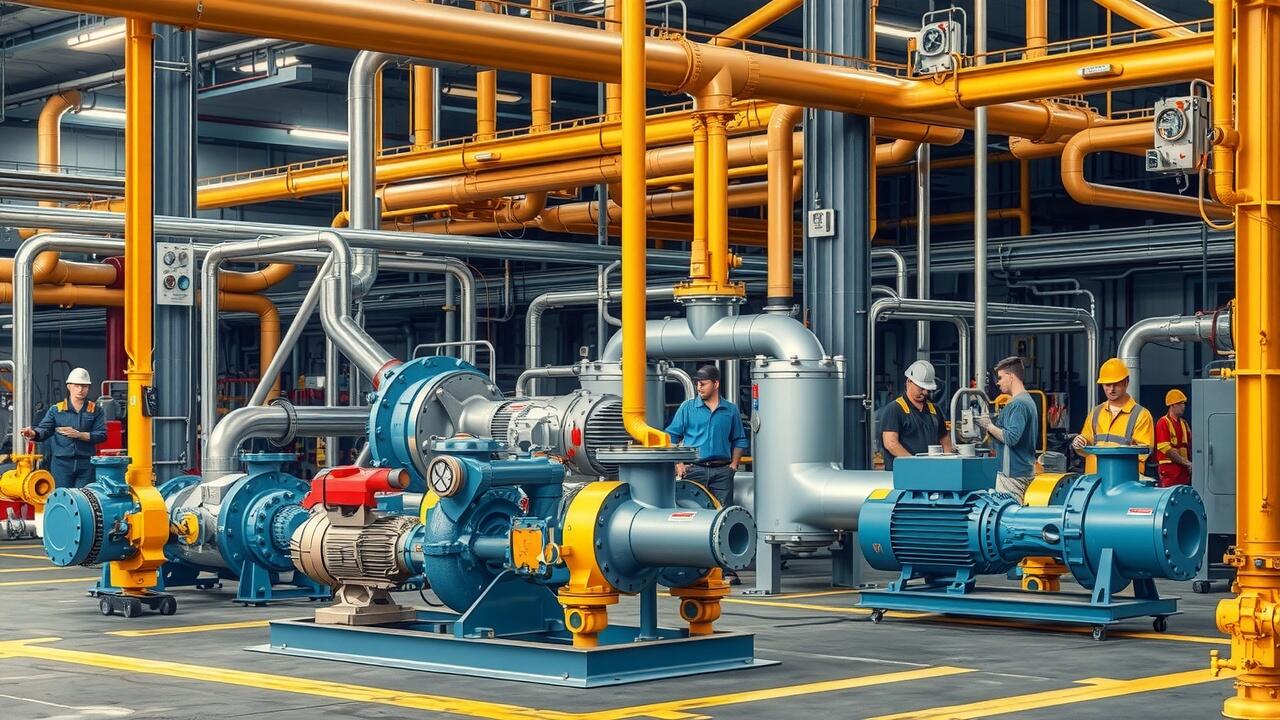
Understanding the key features of industrial pumps is essential for optimizing their performance across various industrial pump applications. Factors like pump materials and design are crucial as they determine durability and suitability for specific pump types, such as submersible pumps and industrial slurry pumps. Pump efficiency must also be evaluated, particularly in piston pump applications that require precision and reliability. By recognizing the characteristics of available pumps, organizations can make informed decisions that enhance productivity and reduce downtime. This comprehensive approach to analyzing common pump features ultimately leads to improved outcomes in diverse industrial settings.
Pump Design Considerations
Designing pumps for industrial applications requires a thorough understanding of several critical factors. An effective pump solution begins with assessing the specific requirements of the application, including pump capacity and the nature of the fluids being handled. Industrial sump pumps and gear pump technology each serve unique roles within diverse systems, making it essential for pump experts to select the right design based on the intended function. Collaborating with a reputable pump manufacturer can streamline this process, ensuring that the pumps meet rigorous specifications and performance standards.
Consideration of materials is also crucial in pump design as it directly impacts durability and maintenance. Pumps must withstand varying pressures, temperatures, and chemical compositions inherent in industrial applications. This emphasis on material selection aligns with the goal of delivering reliable and long-lasting operated pumps. A well-designed pump not only meets current demands but also anticipates future needs, reflecting the continuous evolution of industrial pump applications and technologies.
Pump Efficiency Metrics
Efficiency is a critical factor in the industrial pumping sector. Understanding pump efficiency metrics helps ensure that the chosen pump operates optimally within its pump chamber. High efficiency translates to reduced energy consumption and lower operational costs. Selecting the right pump for specific industrial pump applications minimizes the risk of pump failures and ensures reliability. For example, centrifugal pump applications often require precise calculations of flow rates and energy use to achieve peak operational efficiency.
Monitoring pump efficiency metrics is essential for maintaining performance and minimizing pump downtime. Regular assessments can help identify any deviations from expected performance levels, allowing for timely interventions before minor issues escalate into major pump failures. By prioritizing the right pump for industrial applications, operators can enhance overall system reliability and longevity. Properly maintaining efficiency metrics not only supports operational goals but also contributes to sustainability efforts in the industrial pumping sector.
Advanced Pump Technology
Modern pumps integrate advanced technology to enhance their performance and reliability. Various industrial pump applications benefit from these innovations. Specialty pumps designed for unique tasks address specific needs within industries. Incorporating pump accessories further optimizes operational efficiency, leading to successful pump implementations across diverse sectors. Gear pump solutions exemplify the effectiveness of modern pump designs, ensuring that even the most demanding applications are met with ease.
Efficient pumps are essential in streamlining processes and reducing energy consumption. Common pumps, including eodd pumps and centrifugal models, leverage advanced technology to achieve high levels of efficiency. The evolution of pump technology allows for enhanced monitoring and control capabilities, ensuring that users can maintain optimal performance in various industrial pump applications. These advancements are reshaping the landscape of pump technology, promising greater reliability and precision in industrial operations.
Applications of Industrial Pumps
Industrial pump applications span a wide range of industries, reflecting the diverse needs of modern manufacturing and processing. Selecting the perfect pump often requires understanding various pump types, such as displacement pump types and dynamic pumps. A comprehensive pump guide can assist in navigating the complexities of pump purchase decisions, ensuring that the right technology is chosen for specific tasks. Smart pumps with advanced pump systems offer enhanced control through smart pump control features, optimizing efficiency and reliability. These applications are critical not only in manufacturing but also in sectors like water treatment, oil and gas, and chemical processing, highlighting the essential role industrial pumps play across various domains.
| Industry | Application | Pump Type | Key Features |
|---|---|---|---|
| Water Treatment | Wastewater Processing | Displacement Pump | High efficiency, corrosion resistance |
| Oil and Gas | Crude Oil Transportation | Dynamic Pump | High flow rates, reliable performance |
| Chemical Processing | Chemical Transfer | Centrifugal Pump | Versatility, smooth operation |
| Food and Beverage | Liquid Transfer | Positive Displacement Pump | Sanitary design, ease of cleaning |
| Pharmaceutical | Medication Dosage | Peristaltic Pump | Accurate dosing, minimal contamination |
Pumps in Manufacturing Processes
Industrial pump applications are crucial in various manufacturing processes, providing the necessary fluid movement for operations. ANSI process pumps and API process pumps are often utilized due to their reliability and adaptability. The pump impeller plays a vital role in determining the efficiency of these pumps, impacting the flow and pressure required in manufacturing settings. Simple pump selection based on specific requirements can significantly enhance productivity, especially when considering factors like pump speed and the design of pump gears.
High-force pumps are essential for tasks demanding strong fluid transfer capabilities. They are commonly employed in the manufacturing of chemicals, food products, and pharmaceuticals, where precise fluid management is critical. Understanding the nuances of pump selection can lead to optimal performance in industrial pump applications. Selecting the right pump type, whether it’s an ANSI or API process pump, can greatly influence operational efficiency and maintenance costs in manufacturing environments.
Pumps for Water Treatment
Water treatment facilities rely heavily on various industrial pump applications to ensure an efficient and clean water supply for communities. Discharge pumps play a crucial role in transporting treated water, while circular pump casings enhance hydraulic efficiency. Turbine pumps are often favored for their ability to manage high discharge rates, making them suitable for large-scale treatment processes. Traditional pump configurations, such as ANSI pumps, provide reliable performance across different treatment stages.
Fire water pumps are essential for emergency situations, ensuring that adequate water is available for firefighting efforts. Displacement pumps, including diaphragm and progressive cavity types, are utilized for their precision in handling various chemicals and wastewater. Repair pumps help maintain operational efficiency by providing backup support during maintenance periods. The right selection of pumps contributes significantly to the overall effectiveness of water treatment systems.
Pumps in Oil and Gas Industries
Oil and gas industries rely heavily on efficient and reliable industrial pump applications to manage the movement of fluids throughout their complex systems. Centrifugal pumps consist of sensitive pump components that handle a variety of fluids, from crude oil to natural gas. The performance of these pumps directly impacts the overall industrial process, influencing operational efficiency and pump life. When utilized properly, these pumps can significantly enhance production rates and ensure safe, effective transportation of resources.
Dynamic pumps play a crucial role in oil and gas operations but can sometimes struggle with handling viscous fluids or slurries. A robust pump pit design helps to maintain optimal performance by providing a stable environment for the pumps. By investing in the right industrial pump applications, companies can mitigate risks associated with fluid transport and ensure the longevity of their industrial systems. Proper selection and maintenance are key to achieving maximum efficiency and reliability in fluid handling operations.
Pumps for Chemical Processing
Chemical processing relies heavily on specialized pumps designed for the safe and efficient transport of fluids. Horizontal centrifugal pumps and vertical centrifugal pumps are commonly utilized in these industrial pump applications to maintain consistent flow rates and handle varying viscosities. Non-clog pumps are particularly valuable in managing chemicals that may contain solid particles, ensuring uninterrupted operation in industrial processes. The reliability of these pumps supports overall industrial fluid management, which is crucial for maintaining the efficiency of industrial machinery.
Industrial operations demand high-performance pumps capable of withstanding corrosive environments and high pressures. The selection of the right pump type impacts operational efficiency significantly. By understanding the distinct characteristics of horizontal and vertical centrifugal pumps, businesses can optimize their chemical processing systems. These pumps not only facilitate the transfer of essential materials but also enhance the safety and productivity of industrial pump applications across the chemical sector.
Selecting the Right Industrial Pump
Choosing the appropriate pump for specific industrial pump applications requires a comprehensive understanding of different options available in the market. For instance, multistage pumps are ideal for high-pressure needs, while peristaltic pump applications excel in transferring delicate fluids without contamination. Hydraulic power applications benefit from robust pumps designed for heavy-duty performance, ensuring reliability in industrial settings. Electric diaphragm pumps offer precise flow control, making them suitable for various industrial operations. Irrigation pumps, on the other hand, are essential for agricultural applications. As technology advances, IoT-enabled pumps are becoming more prevalent, enhancing efficiency and monitoring capabilities across industrial pump applications. Selecting the right pump involves considering these factors to meet operational demands effectively.
Factors to Consider in Pump Selection
Selecting the right industrial pump involves understanding specific industrial pump applications and the requirements of various industrial products. Key considerations include the type of fluid being moved, the desired flow rate, and the system’s pressure conditions. For instance, regenerative turbine pumps are well-suited for applications requiring high efficiency and a consistent flow, while electric diaphragm pumps work effectively for transferring hazardous materials. Assessing the pump housing material is also crucial, as it must be compatible with the fluid to ensure longevity and efficiency.
Evaluating the intended industrial purposes of the pump can further inform selection. Drum discharge pumps are ideal for applications where liquids need to be transferred from barrels, while regenerative turbine pumps excel in low-viscosity fluid handling. Each pump type presents unique advantages depending on the specific needs. Understanding industrial technologies and their applications helps streamline the selection process, ensuring that the chosen pump will perform optimally in its intended environment.
Understanding Pump Types and Their Applications
Various types of pumps serve distinct industrial pump applications across multiple sectors. Rotary mixers and self-priming pumps are often utilized in manufacturing applications where efficient fluid handling is essential. Pedestal pumps, known for their reliability, are commonly found in industrial facilities handling heavy-duty tasks. Each pump type is designed with specific features to optimize performance, ensuring that operations run smoothly and effectively.
Understanding different pump designs helps in selecting the right equipment for specific needs. For example, diaphragm pump design is ideal for applications requiring precise control over flow rates and pressures. Stormwater pumps play a critical role in managing water runoff during heavy rainfall, protecting infrastructure. By exploring the wealth of information available on pump pages, users can make informed decisions tailored to their unique industrial pump applications.
Insights from Industrial Pump Experts
Expert insights into industrial pump applications highlight the importance of selecting the right pumping solutions for specific tasks. Membrane pumps, for instance, excel in chemical processing due to their ability to handle corrosive substances effectively. Corrosion-resistant pumps are invaluable in environments where harsh conditions prevail, ensuring longevity and reliability. Self-priming pumps offer users the convenience of suction capabilities, while abel pumps are often preferred for their efficiency in handling high-viscosity fluids. The use of operated diaphragm pumps and eddy pumps can enhance system performance, especially when paired with mixers for optimal fluid dynamics. Understanding the nuances of these various types of pumps enables industries to streamline operations and maximize productivity in their industrial pump applications.
Common Misconceptions About Pumps
Many believe that industrial pumps are interchangeable without considering specific industrial pump applications. In various industrial situations, selecting the correct pump type, such as eddy pumps or Gorman-Rupp pumps, is crucial for efficiency and performance. These pumps excel in tasks like industrial wastewater management and high-pressure applications where precise flow rates are required. Without proper understanding, operators may overlook the importance of pump head and its impact on system efficiency.
Another common misconception is that pumps in the gas industry are merely about transferring fluids. In reality, they often require robust designs to handle different pressures and temperatures. Industrial distributors play a vital role in providing appropriate solutions tailored to the diverse demands of industrial pump applications. Failing to recognize the specific needs for different contexts can lead to significant inefficiencies and operational challenges.
Future Trends in Pump Technology
The evolution of pump technology is significantly influenced by innovations aimed at enhancing efficiency and versatility in industrial pump applications. One notable advancement is the development of rotary lobe pumps, which excel in handling sensitive and viscous fluids while providing gentle product movement. These pumps are ideal for high-flow applications, making them highly favored in various industrial environments. Their design allows for efficient mixing processes without damaging the internal pumping elements, thus ensuring optimal performance across diverse sectors.
Another trend shaping the future of industrial pump technology is the integration of smart monitoring systems in devices such as pedestal sump pumps. These systems enable real-time tracking of pump performance and efficiency, allowing industrial OEMs to optimize operations and reduce downtime. Enhanced focus on sustainability and energy efficiency drives the demand for pumps that minimize waste and maximize output, aligning with the needs of modern industrial pump applications. As technology continues to evolve, the adoption of more sophisticated designs and materials will likely revolutionize how these pumps function within various industrial environments.
| Pump Type | Key Features | Ideal Applications | Advantages |
|---|---|---|---|
| Rotary Lobe Pump | Handles viscous fluids, gentle product movement | Food processing, pharmaceuticals, chemical processing | High flow rates, efficient mixing, minimal shear |
| Submersible Pump | Designed for underwater use, compact design | Wastewater treatment, dewatering | Reduced risk of cavitation, space-efficient |
| Centrifugal Pump | High flow rates, continuous operation | Water supply, irrigation systems | Easy maintenance, reliable performance |
| Smart Pump System | Integrated sensors for real-time monitoring | Industrial automation, HVAC systems | Increased efficiency, reduced downtime, predictive maintenance |
Maintenance and Troubleshooting of Industrial Pumps
Regular maintenance practices are essential for ensuring the longevity and efficiency of industrial pumps used in various applications. An industrial technologies team often designs a systematic approach to upkeep, focusing on key components like the discharge pipe and the pumped liquid to prevent issues. For instance, typical diaphragm pumps used in water applications require close attention to their seals and valves to avoid leaks. Common problems arise with PDP pumps prone to wear and tear, necessitating routine checks. Hayes pumps also benefit from regular assessments, particularly in process technology applications where performance directly impacts productivity. By implementing these preventive measures, facilities can minimize downtime and enhance the reliability of their industrial pump applications.
Regular Maintenance Practices
Routine maintenance is essential for ensuring the optimal performance of industrial pumps in various industrial pump applications. Regular checks on components such as seals, bearings, and impellers can significantly extend the lifespan of industrial water pumps and maintain efficiency in pump systems. In the pump industry, adherence to maintenance schedules helps prevent costly downtime and ensures that industrial pump designs function as intended. A well-maintained pump system not only enhances productivity but also reduces the risk of operational failures in critical industrial pumping applications.
Implementing a structured maintenance program can increase the reliability of pump technology used in diverse sectors, from manufacturing to chemical processing. Monitoring parameters such as flow rates, vibrations, and pressure can provide valuable insights into the health of industrial pumps. Regular maintenance practices streamline operations and allow for early detection of potential issues, ensuring that industrial pumps are vital in a broad range of applications. This proactive approach is crucial for optimizing the efficiency of industrial pumping applications while minimizing disruptions to workflow.
Common Issues and Solutions
One issue frequently encountered in industrial pump applications is cavitation, which can severely damage equipment such as Goulds pumps. Cavitation usually occurs in hydraulic systems when there is insufficient fluid pressure, leading to the formation of vapor bubbles. These bubbles collapse, causing shock waves that can erode pump components. To mitigate this problem, operators should ensure proper selection and maintenance of industrial pump types, as well as monitor the operating conditions closely to maintain optimal pressure levels.
Another common challenge involves wear and tear on pump seals and bearings, particularly in industrial process pumps. As these components degrade, leaks may develop, impacting the overall efficiency of industrial pumps. Regular inspections and timely replacement of worn parts are crucial for preserving functionality. Understanding how industrial pumps work can help operators recognize signs of wear early, allowing for proactive measures to maintain the integrity of the hydraulic systems they support.
Conclusion
Understanding industrial pump applications is crucial for successful operations in various industries. The right pump purchase can significantly enhance efficiency and reliability. A comprehensive pump guide can help users navigate the complexities of dynamic pumps and displacement pump types, ensuring the selection of the perfect pump for specific needs. Embracing advancements such as smart pump control and advanced pump systems can lead to optimized performance and energy savings. As industries evolve, staying informed about innovations in the realm of smart pumps is vital for maintaining a competitive edge in industrial pump applications.
FAQS
What is the pump definition in relation to industrial pump FAQs and how do pumps transport fluids in various applications?
The pump definition refers to a device that moves fluids, including liquids and gases, through mechanical action. In industrial pump FAQs, it’s important to understand how different types of pumps, like submersible pump applications and dynamic pumps that struggle with certain conditions, are designed to effectively transport fluids. Choosing the right pump manufacturer can significantly impact the efficiency of advance pump systems designed for specific industrial applications.
How do different types of pumps move fluids in various industrial pump applications, and why do dynamic pumps sometimes struggle in this process?
Different types of pumps move fluids by using various mechanisms to generate flow. In industrial pump applications, pumps transport fluids effectively; however, dynamic pumps can struggle under certain conditions such as high viscosity or variable flow rates. Understanding these challenges is crucial for optimizing pump performance in industrial settings.
In what scenarios do industrial pump applications demonstrate challenges where dynamic pumps struggle to effectively transport fluids?
In various industrial pump applications, certain scenarios can highlight how dynamic pumps struggle, particularly when dealing with high-viscosity fluids or when the system is not properly primed. These situations can impede the ability of pumps to move fluids efficiently, leading to reduced performance and potential downtime in industrial settings.
How do the various types of pumps used in industrial settings ensure effective transportation, and what factors influence how pumps move fluids in different applications?
In industrial settings, the effectiveness of various types of pumps in transportation is influenced by factors such as fluid viscosity, pressure requirements, and system design. Proper pump selection ensures that the pumps move fluids efficiently through the intended applications.
How do environmental factors influence how industrial pumps move fluids in different applications?
Environmental factors such as temperature, viscosity, and pressure play a significant role in how industrial pumps move fluids. These factors can affect the efficiency and performance of the pumps, determining the most suitable type for specific applications.
In what ways do maintenance and operational practices affect how pumps move fluids in various industrial pump applications?
Maintenance and operational practices play a crucial role in ensuring that pumps move fluids efficiently in industrial pump applications. Regular maintenance checks can identify issues such as wear and tear, which can impede the effectiveness of pumps as they move fluids. Additionally, the operational practices adopted by personnel, including proper calibration and monitoring, directly influence the performance of pumps in transporting fluids effectively across different scenarios.
How do the characteristics of specific pumps influence the way they move fluids in various industrial applications?
The characteristics of specific pumps significantly influence how pumps move fluids in various industrial applications. Factors such as pump design, material composition, and operational conditions can impact the efficiency and effectiveness of fluid transportation. For instance, centrifugal pumps are often preferred for their ability to handle large volumes of fluid, while positive displacement pumps are ideal for precise fluid dosing. Understanding these characteristics is crucial for optimizing the performance of pumps that move fluids in industrial settings.
How do operational conditions influence the efficiency with which pumps move fluids in industrial applications?
Operational conditions such as temperature, pressure, and viscosity significantly influence the efficiency with which pumps move fluids in various industrial applications. By understanding these factors, industries can optimize their pump performance and ensure effective fluid transportation.
How do different applications affect the efficiency with which pumps move fluids in industrial environments?
The efficiency with which pumps move fluids in industrial environments is significantly influenced by the specific applications they are used in. Factors such as the viscosity of the fluid, the required flow rate, and the overall system design play crucial roles in determining how effectively pumps move fluids. Adjusting these parameters can enhance performance and ensure optimal fluid transportation in various industrial settings.
What are some common challenges that arise in industrial environments regarding how pumps move fluids?
Various challenges can arise in industrial environments that affect how pumps move fluids, including system pressure fluctuations, viscosity changes, and the presence of solid particles in the fluid. These factors can hinder the efficiency and reliability of how pumps moves fluids, necessitating proper selection and maintenance to address such issues.